
Alabama & Georgia Home Insurance
Protecting Alabama & Georgia families before the worst happens. Because when it does, the coverage you have is the only coverage that counts.
The Front Yard Call.

Auburn Client, Lee County
Claim paid in full · 18 days
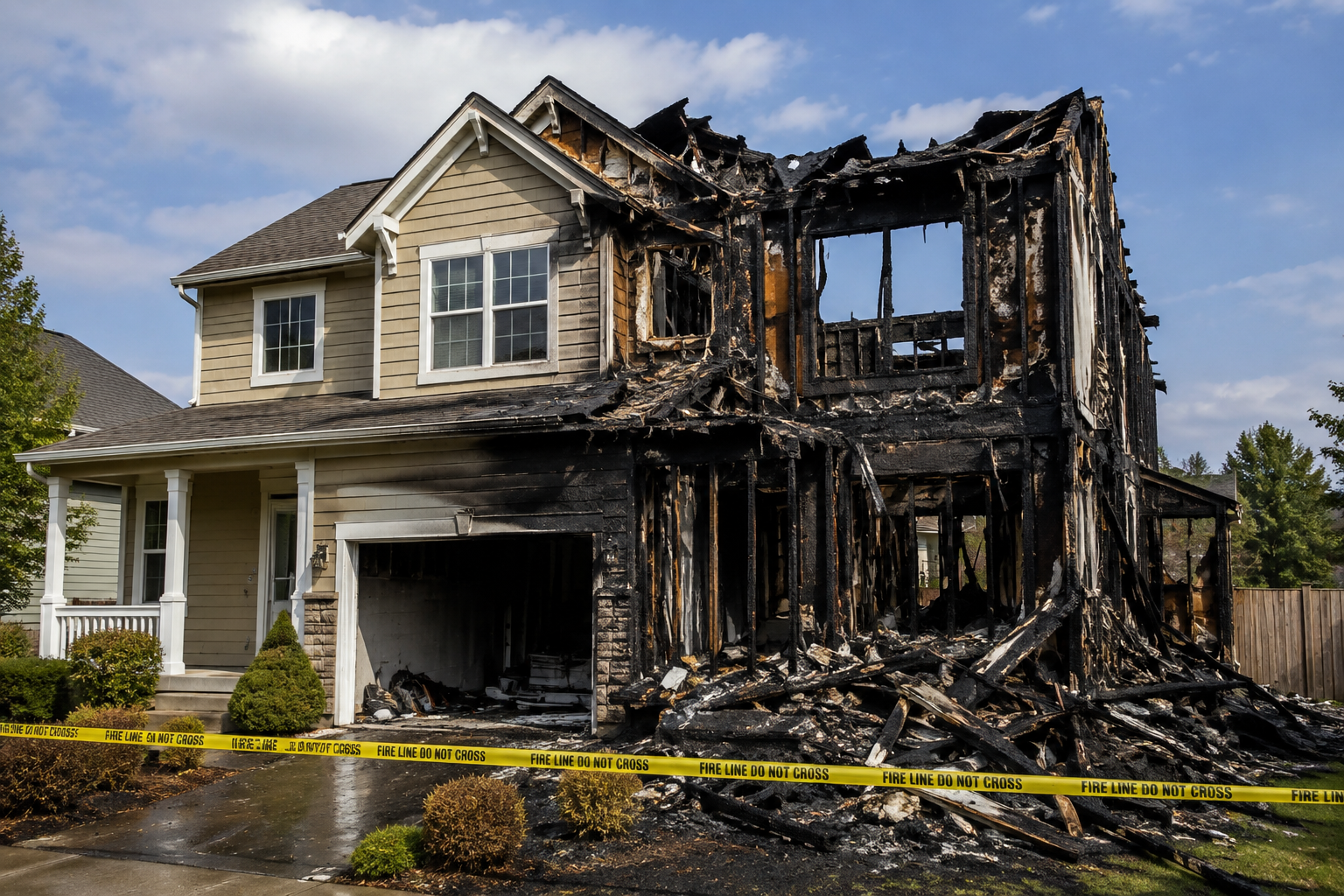
A few years ago, a client of ours called Richard’s cell phone from her front yard. She’d been
woken up by the smoke detector at 8am, gotten her family out safely, and now stood on the grass
watching the back half of her home go up. She didn’t know what to do next. Richard did.
He stayed on the phone with her that night and guided her through every step that followed the
emergency adjuster call, the temporary housing claim under her ALE coverage, the personal
property inventory, the contractor vetting process. The claim was paid in full within three weeks.
That’s the version of insurance we try to deliver for every client. Not just a policy that looks right
on paper one that performs when the stakes are highest. It starts with making sure the
coverage is right before anything happens, and it continues with being present when it does.
- Full replacement cost coverage. Proper ALE limits. An agent who picks up the phone.
Coverage that holds up.
Most homeowners couldn’t tell you what their policy actually covers. That's not their fault, the industry has made it unnecessarily complicated. We start every conversation by opening up the policy and walking through it line by line.
A standard homeowners policy is made up of several distinct coverage components and the gaps between them matter as much as what’s included. Dwelling coverage, personal property protection, liability, and additional living expenses each address a different kind of loss, and the limits you carry on each one are set by decisions you make when the policy is written.
Dwelling Coverage
Dwelling is the core of your homeowners policy. It covers the physical structure of your home the walls, roof, foundation, built-in appliances, and attached structures like a garage. If your house burns down, takes a direct tornado hit, or suffers major storm damage, dwelling coverage is what pays to rebuild it.
Personal Property
Personal property coverage protects the things you own inside your home—like furniture, clothing, electronics, and other belongings—if they're damaged or stolen by a covered event. It can even help cover your belongings when they're away from home, and you can increase coverage for valuable items like jewelry or collectibles if needed
Personal Liability
Personal liability coverage helps protect your finances if you're legally responsible for accidentally injuring someone or damaging their property. It can help cover legal expenses, settlements, or judgments from covered claims, giving you added peace of mind both at home and, in many cases, while you're away from home.
Additional Living Expenses
Additional Living Expenses coverage helps pay for the extra costs of maintaining your normal lifestyle if a covered loss makes your home temporarily uninhabitable. It can help with expenses like a hotel, temporary housing, and increased meal costs while your home is being repaired, so you can focus on getting back home as quickly as possible.
Homeowners insurance premiums in Alabama and Georgia are largely driven by local weather risks, including severe thunderstorms, hail, tornadoes, hurricanes, and flooding. Insurance companies also consider your home's age, roof condition, location, claims history, and proximity to emergency services when determining your premium. Maintaining your home, choosing appropriate deductibles, and taking steps to reduce weather-related risks may help keep insurance costs more affordable.
Homeowners insurance premiums in Alabama and Georgia are influenced by many of the same factors, but each state has unique weather and geographic risks that insurers consider when determining rates.
Alabama Homeowners Insurance Risks
Severe Weather
Alabama experiences frequent severe thunderstorms that can produce:
- Hail damage to roofs and siding
- Straight-line winds
- Lightning strikes
- Fallen trees
These weather events are among the most common causes of homeowners insurance claims.
Tornadoes
Alabama consistently ranks among the states with the highest number of tornadoes each year. Homes located in areas with a higher history of tornado activity may face higher insurance premiums.
Hurricanes & Tropical Storms
Coastal counties, particularly around Mobile and Baldwin County, are at greater risk for:
- Hurricane-force winds
- Storm surge
- Heavy rain and flooding
Homes near the Gulf Coast typically have significantly higher premiums than inland properties.
Wildfire Risk
While not as severe as in western states, portions of central and north Alabama can experience elevated wildfire risk during dry periods.
Flooding
Flash flooding and heavy rainfall can occur statewide. Since flood damage is not covered by a standard homeowners policy, homes in flood-prone areas may require separate flood insurance.
Home Values & Coverage in Cuyahoga County
Property values across Cuyahoga and Medina counties have shifted significantly. What your home costs to rebuild today may differ from your current policy limit. Regular reviews with a local agent ensure you're never caught short when rebuilding costs spike after a storm.
Georgia Homeowners Insurance Risks
Severe Thunderstorms & Hail
Georgia experiences frequent thunderstorms that can cause:
- Roof damage
- Broken windows
- Wind damage
- Lightning-related claims
Hurricanes & Tropical Storms
Coastal Georgia, including areas around Savannah and Brunswick, is susceptible to:
- Hurricane winds
- Heavy rainfall
- Storm surge
- Wind-driven rain
These coastal risks generally result in higher insurance premiums.
Tornadoes
Although less frequent than in Alabama, tornadoes still occur throughout Georgia, particularly during spring and fall severe weather seasons.
Falling Trees
Georgia's dense tree canopy contributes to a high number of claims involving:
- Trees falling on homes
- Wind-damaged limbs
- Damage to roofs, fences, and vehicles
Wildfire Risk
North Georgia and some rural areas can experience increased wildfire risk during prolonged dry weather.
Flooding
Heavy rainfall, overflowing rivers, and flash floods can affect many parts of Georgia. Like Alabama, flood insurance must typically be purchased separately because standard homeowners policies do not cover flood damage
Home Values & Coverage in Cuyahoga County
Property values across Cuyahoga and Medina counties have shifted significantly. What your home costs to rebuild today may differ from your current policy limit. Regular reviews with a local agent ensure you're never caught short when rebuilding costs spike after a storm.


Other Factors That Affect Premiums in Both States
Beyond weather, insurance companies also consider:
- Age and condition of the home’s roof
- Home age and construction materials
- Replacement cost of the home
- Claims history
- Credit-based insurance score (where permitted)
- Distance to the nearest fire department and fire hydrant
- Local crime and theft rates
- Swimming pools, trampolines, or other attractive nuisances
- Dog breed or pet liability exposure
- Coverage limits, deductibles, and optional endorsements
What our community says
Richard and his team helped me make the switch from StateFarm quick and easy for my home/auto policies. Better coverages at a better price. I highly recommend!
Gene Bowles

Richard at All State was amazing to work with & he ensured I got the best rates for Home & Auto insurance. I would highly recommend him for any new policy or renewals.
sharad r
Have never experienced this level of outstanding service before from Richard Tate and his entire team. I submitted a coverage change request today and it was handled within a few minutes. Hard to believe how much money we saved by switching to Allstate. So glad we selected Richard as our agent. So professional but so personable at the same time.
Michael Miller
Richard and his staff were very helpful in making sure I had proper insurance for my: home, vehicles, and a personal umbrella. I would highly recommend if you are interested in the best service with competitive pricing.
Dave Holman
Spent a long time speaking to Jacob today. He explained the intricacies of the home and auto policies and matched Allstate policies with my current insurance policy and rates. His policy (Home & Auto) savings were significant. Thank You Jacob.
Dennis McLevaine
Hands down, in the 30+ years I’ve owned homes and vehicles, this is the best insurance provider experience I’ve ever had. Between taking calls/texts at night and on weekends, Richard has always been there to help. “You’re in GREAT hands” if you allow Richard’s agency to work for you.
scott saxton
Storms. Hail. Flooding. Know what's covered.
Central Alabama sees some of the most active severe weather in the Southeast. Tornadoes, hailstorms, and flash flooding are not rare events they're annual realities. Your homeowners policy covers wind and hail damage, but flood damage requires a separate policy. Ask us about flood zone assessments for your address, and let's make sure your coverage matches your actual risk.
Wind & hail damage
Covered
Tornado structural damage
Covered
Lightning strike & fire
Covered
Flood from rising water
Not Covered
Storm surge / overland flooding
Not Covered
Local Matters When Something Goes Wrong
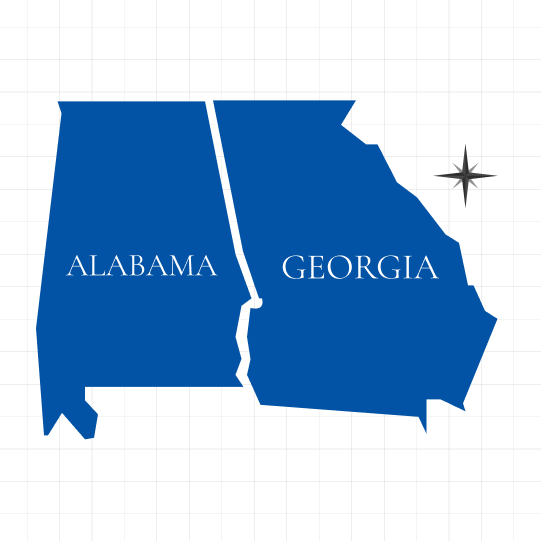
When the unexpected happens, having a local insurance agent can make all the difference. As a local agency serving Alabama and Georgia, we understand the unique risks homeowners and drivers face—from severe thunderstorms, tornadoes, and hail to hurricanes along the Gulf and Georgia coast. We can help you understand your coverage before a loss occurs, answer your questions during the claims process, and make sure your policy is designed to protect what matters most. When you need guidance, you’ll have a local team that’s familiar with your community and ready to help every step of the way.
Let's find the right coverage.
Fill out the form and Richard or one of his agents will reach out within one business day. Prefer to talk now? Call us directly same-day coverage is often available.
- Same-day coverage available
- No bots a real agent responds
- Competitive rates from top carriers
- Bundle discounts available
No spam. No obligation. Just a real conversation.
Questions worth asking.
The questions most people wish they'd asked before they needed to file a claim. We answer them here — and in person.
What does homeowners insurance cover?
A standard homeowners policy generally covers four things: the structure of your home, your personal belongings, your liability if someone gets injured on your property, and temporary living costs if your home is uninhabitable after a covered loss. The specific perils and limits vary by policy, so it's worth reviewing what you actually have before something happens.
What isn't covered by homeowners insurance?
Most standard policies don't cover flooding, earthquakes, routine wear and tear, or pest damage. Mold, sewer backup, and certain types of water damage can also fall outside standard coverage, though some of these gaps can be closed with separate endorsements. If you're not sure whether something is covered, ask before you need to file a claim.
How much homeowners insurance do I need?
Enough to rebuild your home from scratch at today's labor and material costs, not just its current market value. Those two numbers are often very different, and most people are underinsured without realizing it. We can review your current limits to make sure they reflect what it would actually cost to rebuild.
Does homeowners insurance cover my roof?
It depends on what caused the damage. Storm, hail, or a falling tree that damages your roof is typically covered. Damage from age, wear, or lack of maintenance usually isn't. Your deductible and the roof's condition can also affect what gets paid out. Worth reviewing before something happens rather than after.
Does homeowners insurance cover water damage?
Sudden and accidental water damage, like a burst pipe or an appliance that fails unexpectedly, is generally covered. Gradual leaks, maintenance-related damage, and flooding are typically not. The line between covered and not covered can be thin, and it's better to know where that line is before you need to file.
Does homeowners insurance cover flood damage?
No. A standard homeowners policy does not cover flood damage. Flooding requires a separate flood insurance policy. If your home is in or near a flood zone in Alabama or Georgia, this is a real gap worth closing. Call us and we'll talk through whether you need it.
Does homeowners insurance cover sewer backup?
Not by default. Sewer and drain backup is usually excluded from standard policies, but you can often add it as an endorsement for an additional cost. Given how common and expensive sewer backups can be, it's one of the first things worth asking about when reviewing your policy.
Does homeowners insurance cover mold?
It depends on what caused it. If mold results from a sudden covered water loss, like a burst pipe, it may be covered. If it developed slowly over time from a leak you didn't catch or from humidity, it generally won't be. Mold claims are reviewed case by case, so addressing the underlying issue quickly matters.
Does homeowners insurance cover termite damage?
No. Termite damage is considered a maintenance and pest control issue, not a sudden accidental loss. Standard homeowners policies don't cover it. Regular inspections and pest control are the best protection here.
Does homeowners insurance cover fire and smoke damage?
Yes. Fire and smoke damage is one of the most commonly covered perils under a standard homeowners policy. This typically includes damage to the structure of your home, your belongings inside, and additional living expenses if you can't stay there while repairs are made.
Does homeowners insurance cover theft?
Yes. Theft of personal property is covered under most homeowners policies, both inside your home and often when your belongings are taken from your car or a hotel room while you're traveling. High-value items like jewelry, art, or electronics may have sublimits, so it's worth checking if you need additional coverage for anything valuable.
Does homeowners insurance cover storm damage?
Generally yes for wind, hail, and lightning. Storm-related flooding is a separate matter and requires its own flood insurance policy. In some coastal areas of Alabama and Georgia, wind and hurricane damage may fall under a higher separate deductible worth reviewing in your policy.
Does homeowners insurance cover fallen trees?
If a tree falls on your home and causes structural damage, the repair is usually covered, regardless of whether the tree came from your yard or a neighbor's. The cost to remove the tree itself may be covered up to a sublimit. If a tree falls and doesn't hit anything, removal is typically not covered.
Does homeowners insurance cover hurricanes and tornadoes?
Wind damage from hurricanes and tornadoes is typically covered under a standard homeowners policy. Flooding that comes with those storms is not, and requires separate flood coverage. For Alabama and Georgia homeowners, particularly those closer to the Gulf Coast, hurricane or windstorm deductibles may be higher than your standard deductible. Worth knowing before storm season.
Does homeowners insurance cover personal belongings away from home?
Usually yes. Most policies extend some coverage to your belongings even when they're not at home, such as items stolen from your car or lost while traveling. This off-premises coverage typically has lower limits than your main personal property coverage. It's worth knowing exactly where your policy sets that line.